
d1: done
...now I can finally enjoy the holidays

wset diploma update
The D1 exam is officially in the books and I’ve never felt more relieved. Actually, I take that back. I felt the most relieved when I turned the exam paper over and saw the questions. I actually smiled and chuckled when I read the questions. To say I over-prepared is an understatement, but I wouldn’t have found those questions easy to answer if I hadn’t prepared for it like I did.
I’m glad to have spent time in DC, one of my favourite cities in this country. Marvella and I visited Maxwell Park, which should be on every wine enthusiast’s list to visit. It’s a neighbourhood wine bar that boasts creative menus with a hefty BTG offering, dope jams, and a warm, welcoming atmosphere. Not to mention the fun t-shirts that they have! We had a bottle waiting on us from dear friend, which was a nice gift after spending the majority of the day losing our minds.
I’m also thankful for the bottle of Krug that we chugged drank like civilized ladies post-exam.
Also. I signed up for D2 already because of course I did. Exam is March 6th. I am allowing myself this short amount of time to enjoy the holidays before I learn all about wine business.
d1 tips
For anyone studying for (or even contemplating) D1, here are my tips:
Know your chapter headings - the text doesn’t have an index (so annoying), so if you print it out, you’ll be flipping back and forth to find that one specific thing that you’re looking for. Make an outline of key terms and processes in each chapter.
Use a variety of study methods - this text is dense. There is so much information that can’t fit on flashcards. I used: outlines, flashcards, hand-drawn charts/tables (I remember best when I physically write things down), and talking to other people about certain topics (#sorrynotsorry to who got caught in convos with me talking about rootstocks). As much as I want to be a spreadsheet gworlie, I will agonize over how it looks more than its contents and that is not the point.
Talk to winemakers - I cannot stress this enough. Even if you’re not in the industry, email your favourite wineries and see if you can ask the winemaker questions about what you’re studying. Doing so brings so much context to an otherwise dry and boring text. I am so grateful that I had regular in-person access to some of my favourite winemakers right before taking this exam (thank you OND and all of your supplier visits). Just to name a few: Sébastien Arsac, Pepe Raventos, Arnau Vivo, Pierre Cotton, Raphael St. Cyr, Oscar Arrivabene, Dan Petroski…thank you all for answering my wild questions about viticulture and vinification!
If your exam is later in the day, fill your day with non-exam related activities - On exam day, Marvella and I woke up too early and finished all of our errands before noon. Our exam was at 6pm, which meant we had approximately 6 hours to lose our minds, which we effectively did.
Use examples - I don’t even know how many examples I used in my paper, but it was a lot. Specific grapes, regions, climates, countries, soil types etc. Diploma isn’t about regurgitating information, but applying it in context.
holiday wines
Any wine is a holiday wine. Period. End of story. I’m sure there’s plenty of publications and folks on socials telling you to choose Champagne, Pinot Noir, and Port for the holidays. Nothing against those choices, but we can expand our definition of holiday wines to basically anything that we enjoy.
These are the wines that I enjoy in celebration of a holiday, surrounded by my favourite people:
domaine st. cyr ‘terroir de lachassagne’ beaujolais blanc
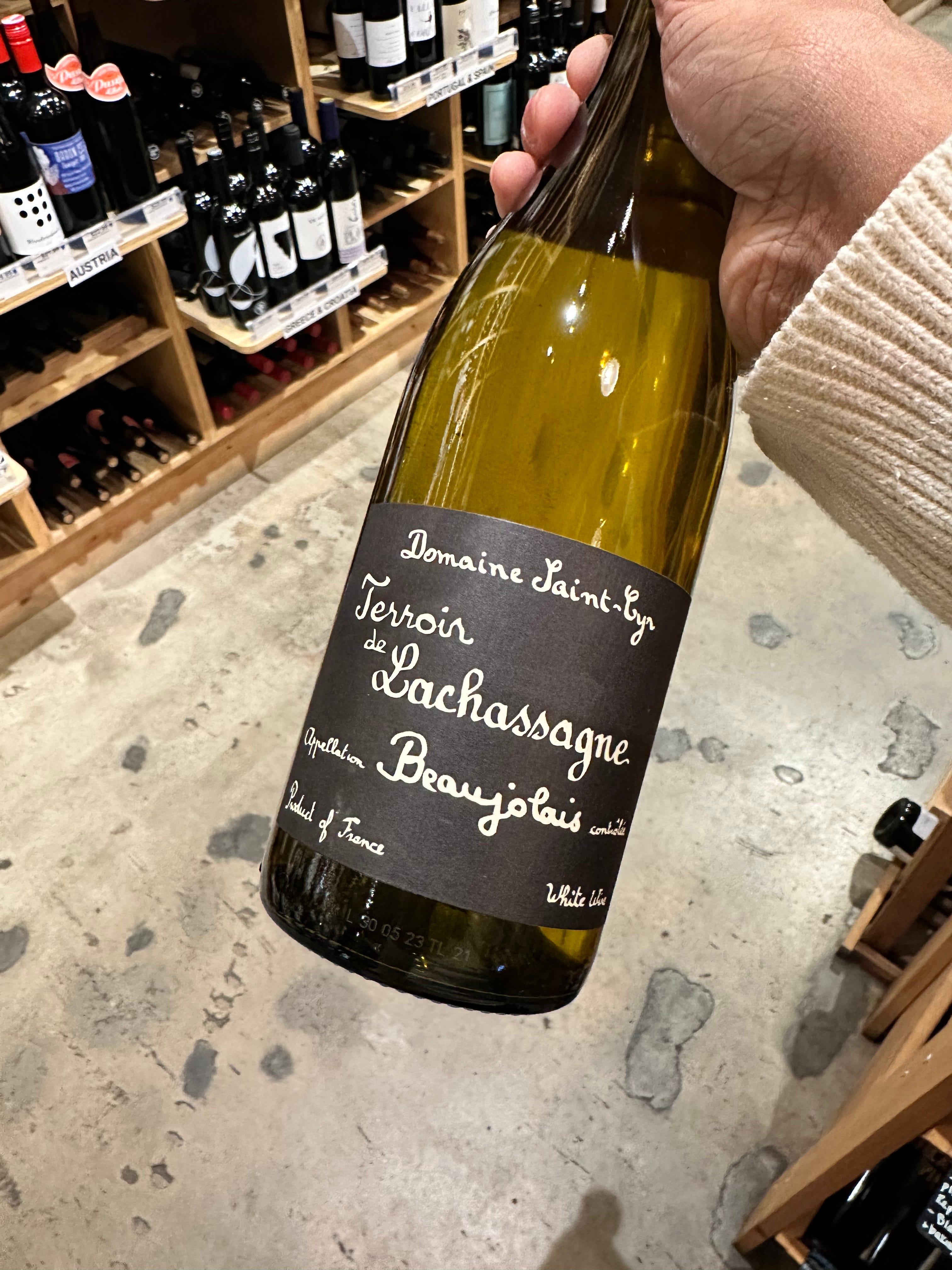
This is another wine were my only tasting note was “omg so goddamn tasty.” This 100% single vineyard Chardonnay could legally be called Bourgogne Blanc, but Raphael St. Cyr prefers to use the Beaujolais Blanc appellation. More on that here.
Raphael is a fourth-generation vigneron in Anse - the southern part of Beaujolais. He took over winemaking in 2008 and started converting to organic practices. Today, Domaine St. Cyr is one of the largest organic domaines in Beaujolais. You can read all about his story here. I had the pleasure of attending a Beaujolais masterclass and getting to chat with Raphael about climate change and its affects on his vines.
This wine has a beautiful roundness from aging on the lees for 24 months in used oak. It is full of lemon, pear, and light nutty notes with a crisp acidity. Unfined, unfiltered, and no added sulfur. It is a gorgeous Chardonnay that deserves a spot at your holiday table.
standing stone saperavi
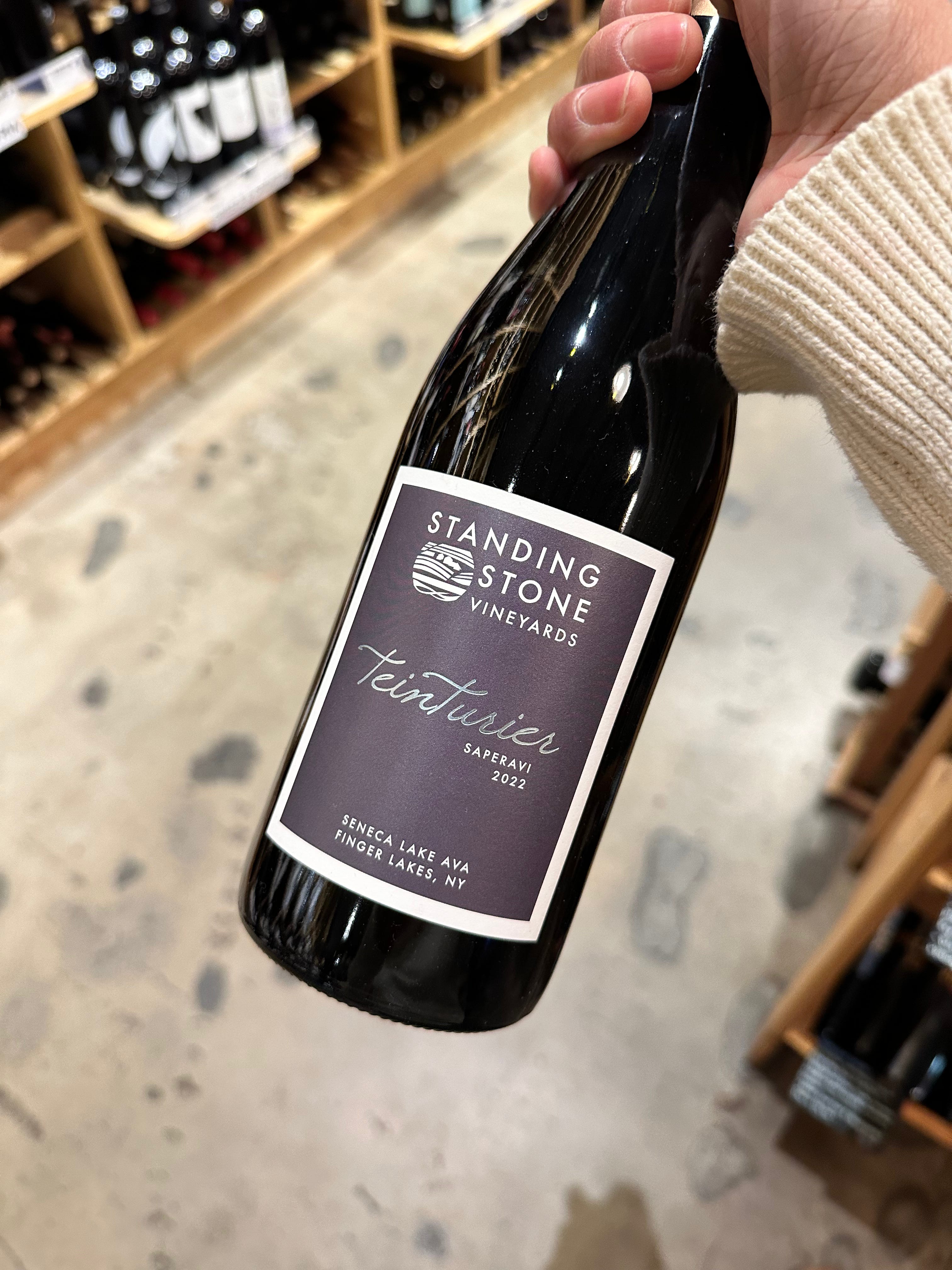
Yes, I made both the Finger Lakes and Saperavi my personality this year (iykyk). But that is for good reason. The FLX is an amazing place with so many wonderful small producers doing a lot of fun things in wine. Saperavi is one of those fun things. Indigenous to the country of Georgia, Saperavi is a teinturier grape, meaning that both its skin and pulp are tinted.
Standing Stone is the second property of Hermann J Wiemer Vineyard; it was purchased by HJW in 2017. Fun fact: Standing Stone has the largest planting of Saperavi outside of the Republic of Georgia! Two experimental rows planted in 1994 turned into over 6 acres. You can read more about it here.
This wine is so gorgeous with layers of flavour - pomegranate, black plum, potting soil. Honestly, the perfect winter red.
stolpman vineyards para maria
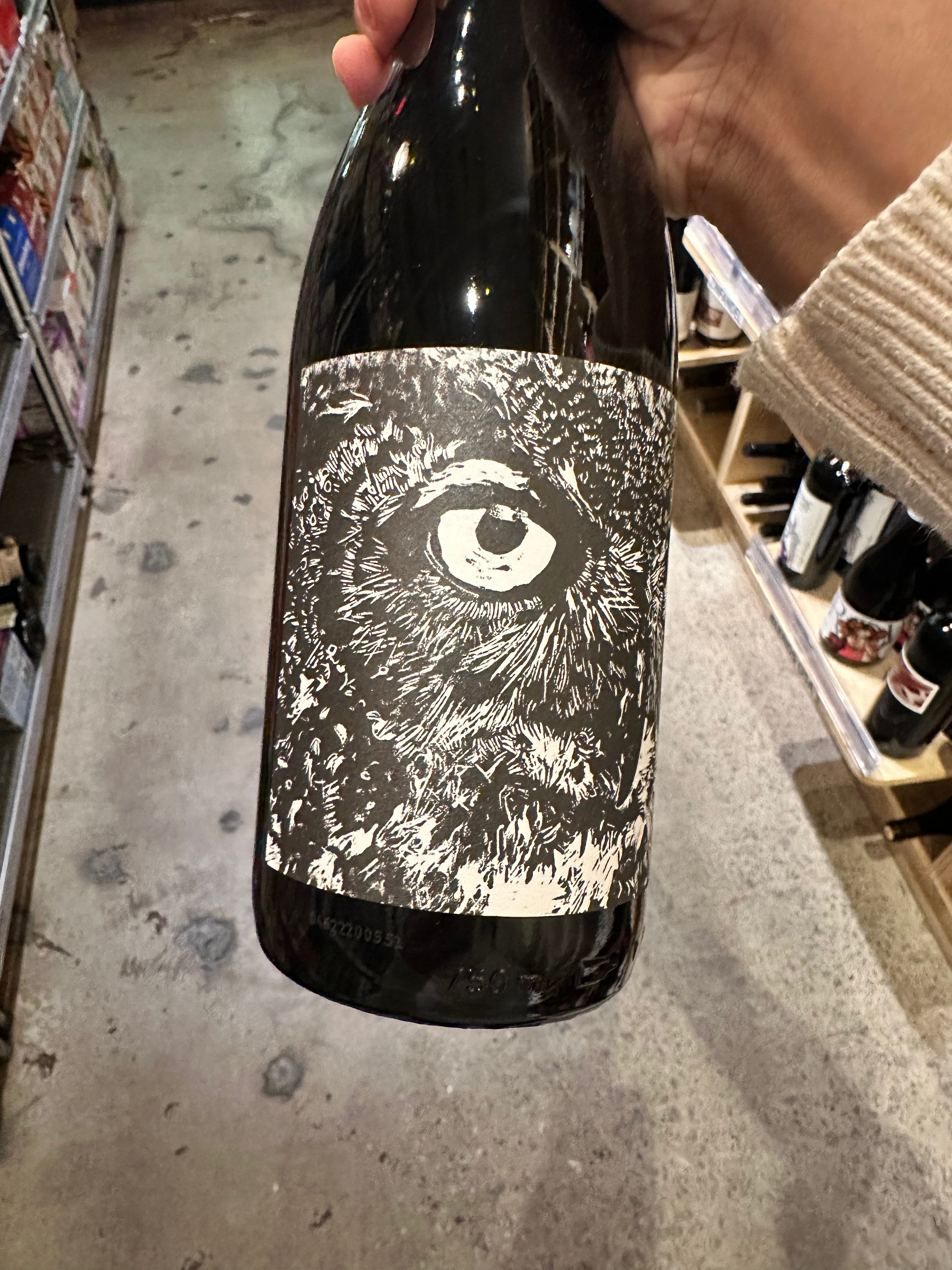
I love everything that Stolpman does. Seriously, their wines never disappoint. Also equally as seriously, they are truly sustainable. When we talk about sustainability, it’s easy to mention using cover crops to increase biodiversity or using solar power or recycling water. Often, the economic sustainability - namely, how producers treat their employees - goes under the radar. Stolpman does it right. All of the vineyard workers are employed full-time with benefits (which is sadly a rare thing in this industry). They learn and experiment in a specific vineyard block. And then they receive the profits of the wine that is made from the grapes they grew. So cool!
If you haven’t read about La Cuadrilla or how the vineyard workers are empowered both professionally and financially, please take a moment to read this.
Back to this wine, it’s made for Maria, vigneron and wife to Ruben Solorzano, who has been the Vineyard Manager at Stolpman since 1994. This is a blend of 75% Syrah and 25% Petit Verdot that is so fresh and easy on the palate. There is a pleasing acidity and a soft mouthfeel. All of the wild blue and black fruit - blueberries, blackberries, black plums. For anyone who loves a juicy red blend and a great story.
As always, if you’re in the Atlanta area and are interested in these bottles, shoot me a reply or come and see me at Hop City Krog!
Here’s to crushing exams,
- Jade
Congratulations to you! Being over-prepared is such a Jade thing lol.